
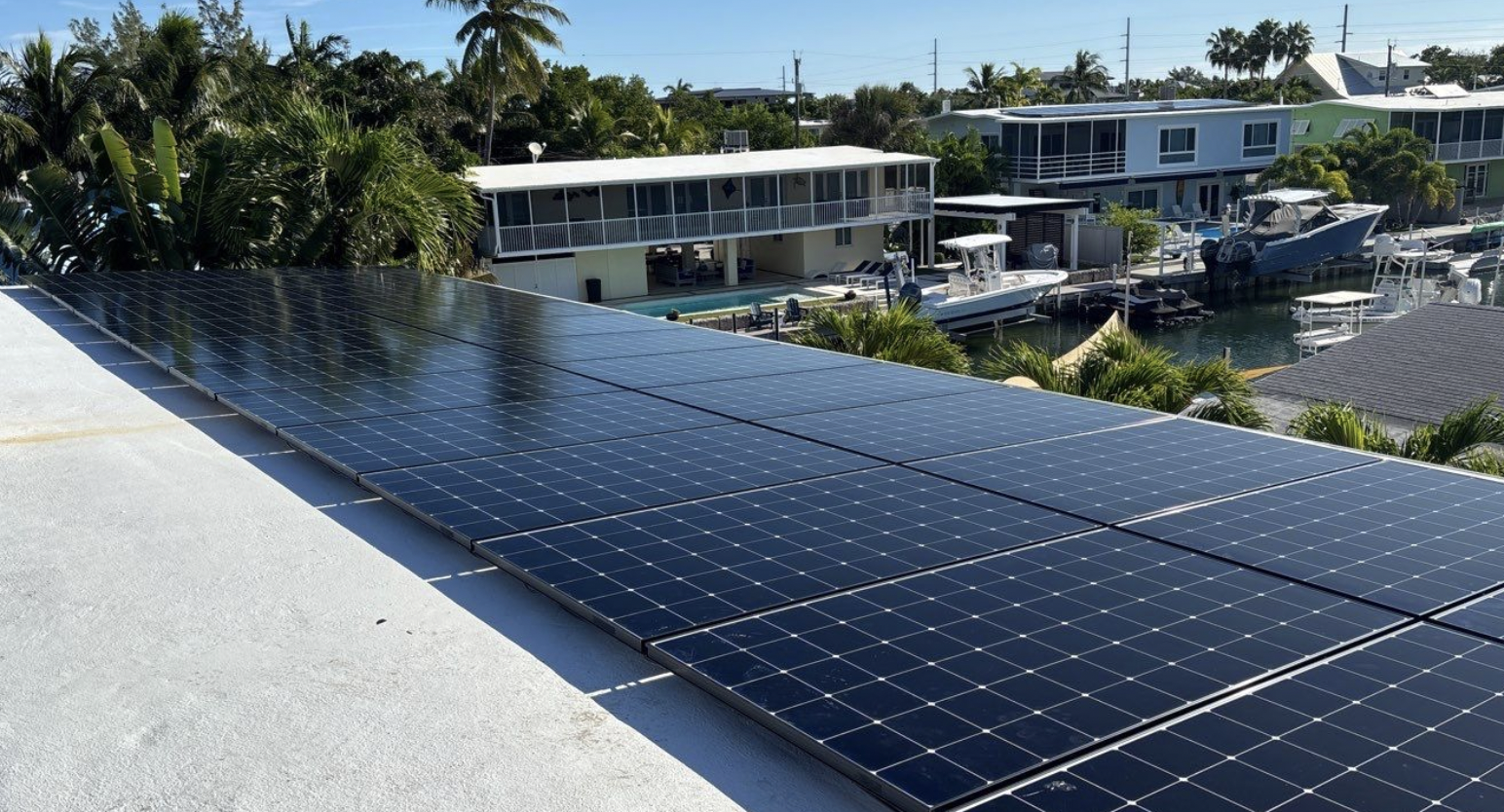
What is Net Metering?
What is Net Metering?
Net Metering is a utility billing arrangement that tracks and credits the homeowner for the excess electricity their solar system produces and sends back to the grid. Homeowners receive credit for the excess energy their solar systems contributes to the grid, resulting in a cost offset if the homeowner ever needs to utilize electricity from the grid.
How Does Net Metering Work?
1. Solar Energy Production
When a solar system produces energy, the first step is to fulfill the home’s immediate electrical needs. If the home has battery storage, excess energy is stored for later use, such as at night or during a power outage. Once the home’s needs are met and the battery is charged, additional electricity can be sent back to the utility grid.
2. Bi-Directional Meter
A bi-directional meter tracks the flow of electricity between your home and the utility grid. It measures both the electricity your home draws from the grid and the excess solar energy your home sends to the grid. The bi-directional meter is installed after the installation by the utility provider.
3. Earning Energy Credits
When your solar system sends excess electricity to the grid, your utility provider records the amount exported. As a homeowner, you will receive a credit on your account. Credit amounts are based on the specific utility provider’s crediting program.
4. Using Your Credits
When homeloads are greater than immediate solar production, such as at night or on cloudy days, your system will automatically utilize electricity from the grid. The credits accumulated on the homeowner’s account, from excess solar production, can then be utilized towards an electric bill.
5. Calculating Your Net Usage
At the end of the billing cycle, your utility provider calculates your electric usage and any applicable credits according to its billing and compensation policies. The amount owed depends on energy consumption, solar production, exported electricity, applicable credits, and any required service charges.
Net Usage = Total Energy Consumed from the Grid – Energy Sent to Grid
Note: This equation describes net energy flow. Your actual bill may be calculated differently depending on your utility provider’s policies and compensation rates
Net Metering in the Florida Keys
The Florida Keys are served by two electricity providers: Keys Energy Services and Florida Keys Electric Cooperative (FKEC). Both provide bi-directional meters to track electricity flowing to and from participating solar customer’s homes, but their billing policies and compensation rates for excess solar energy differ.
Florida Keys Electric Cooperative (FKEC)
FKEC services North of the Seven Mile Bridge. FKEC’s net metering program has historically credited eligible customers for excess electricity at a one-to-one rate, meaning each kilowatt-hour exported earns a credit equivalent to one kilowatt-hour of energy. At the end of the calendar year, some solar customers even receive checks for the extra energy their system produces!
Keys Energy Services
Keys Energy Services, servicing South of the Seven Mile Bridge, uses its own compensation structure for excess solar generation, which differs from FKEC’s approach. The payment for excess electricity production is lower than FKEC. Customers located in the Lower Keys can utilize battery storage to minimize the difference.
Important to Know: Utility policies, export compensation rates, annual settlement procedures, and eligibility requirements can change. Before installing solar, confirm the current net metering policy directly with your utility provider to understand how your system’s excess production will be credited. Electric bills will not show the electricity produced and used by solar, just the excess production that was sent to the grid.
Regardless of your solar installation, grid connected customers may still be responsible for monthly service charges or other applicable utility fees.
The Benefits of Net Metering
Net metering can help homeowners maximize the financial benefits of their solar investment by providing value for excess electricity their systems produce.
Key benefits include:
● Lower electricity bills: Credits for exported solar energy can help offset the cost of electricity drawn from the grid. These credits add to savings from your solar system!
● Greater value from solar production: Excess electricity may provide additional financial benefits rather than going uncompensated.
● Improved return on investment (ROI): Depending on the utility’s compensation rate and your household’s energy usage, credits can increase your tax-free return on investment of your solar system.
● Better energy cost management: Understanding your utility’s net metering policy can help you make informed decisions about system sizing, battery storage, and energy consumption.
Net metering is an important consideration when evaluating solar sizing and system options because the value of your system depends not only on how much electricity it produces, but also on how your utility compensates you for any excess energy.
Ready to explore solar for your home?
If you have questions about net metering or would like to discuss your options for going solar in the Florida Keys, contact SALT Energy at 305-289-1150. We’re happy to help you understand your options and find the right solution for your home!
